The following is a blog post regarding the one week Tokyo trip my wife and I took for my twenty-sixth birthday. I’ve decided to split it in three parts. Read Part I here. Part III coming later.
What else is there in Shibuya?
After all that walking during the Studio Tour, we decided the next thing we wanted was to do some more walking, this time at the iconic Shibuya scramble crossing. I’m quite confident I’ve worked my thigh muscles in that short week in Tokyo more than I’ve ever done in my lifetime. It was still around four in the afternoon when we left Nerima, however, so we decided to take short nap back in our hotel and emerged again upon the city at nightfall.
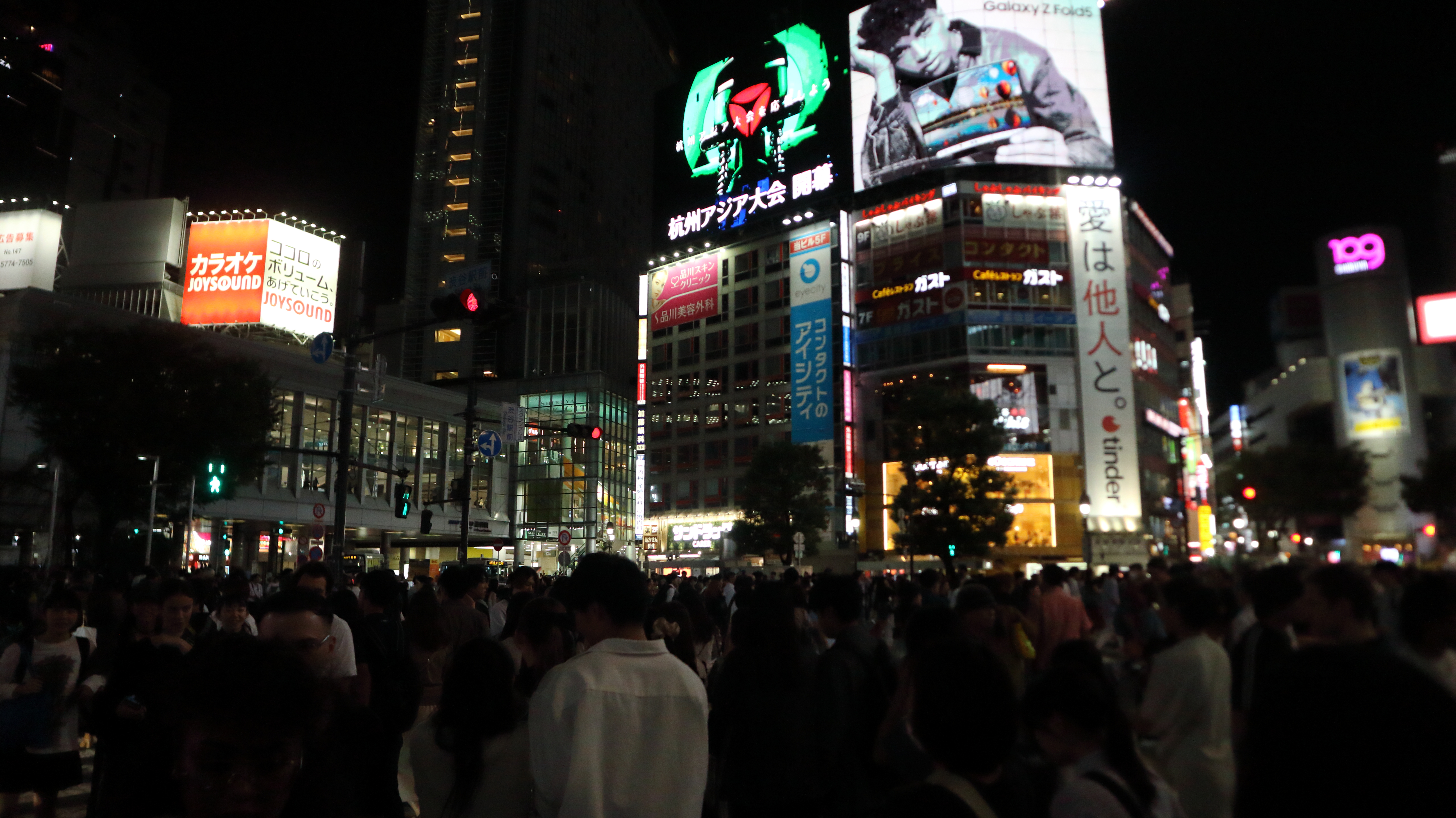
What’s a trip to Tokyo without experiencing the dizzying mass of people that gather around Shibuya station day in and out? We thought we’d seen the worst that Japan crowds (locals and tourists alike) could be at Namba station during Golden Week, but the crowds in Tokyo are a different beast entirely – and it was just a regular Saturday of the month! From the subway, we emerged at the Hachiko entrance of Shibuya Station and found a line of tourists waiting to get their turn for a photo with the dog’s statue. Around us, the din of metal on rails was replaced with a sonic bang of murmurs, whispers, and laughter, from what seemed like an entire town’s population milling around the station, most of them waiting for the light to turn green on the world famous crossing.
Tokyo really is a character. Certain strategic points around the station had been split and co-opted by a handful of young girls dressed in over-the-top maid costumes, each carrying the menus of their respective cafes. You could spot dancers, bands busking at each endpoint of the crossing. At one point a wacky green car came bouncing – and yes, I meant bouncing – along the road, eliciting the laughter and applause of smartphone toting pedestrians. All around, we were awash in the glowing signs of the skyscrapers that surround the area. It looked like Ayala Avenue but somehow fun. I was told by my Japanese friends that Shibuya station is a famous meetup spot, and I wondered why given that the constant mass of people meant spotting your friends would be a Herculean task.
Then the much awaited moment arrived: the lights turned green, and at each point a surge people of burst onto the crosswalks. My wife and I were among them, toting my phone on a selfie stick so we could record ourselves doing the infamous Shibuya scramble. Nearly everyone and their obaa-san were doing the same thing around us. Sometimes, a ragtag group of photographers and models would even station professional equipment atop tripods for a few snaps before the minute ended and the lights turned red again. Emboldened by these observations, my wife and I crossed a couple more times (my Google maps timeline at this area looks like a mess), stopping right in the middle of the street to take polaroid photos of us in the big city.
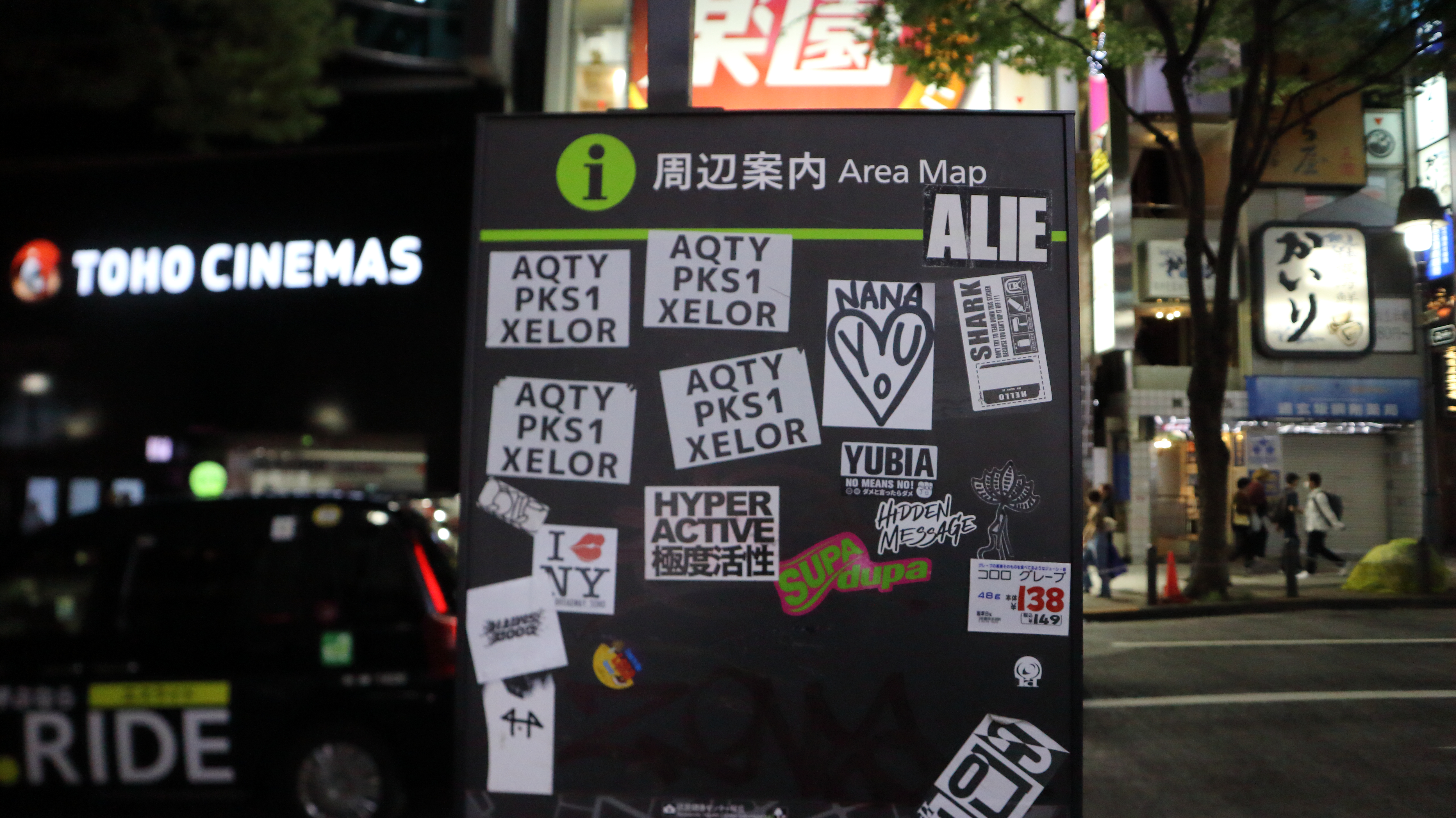
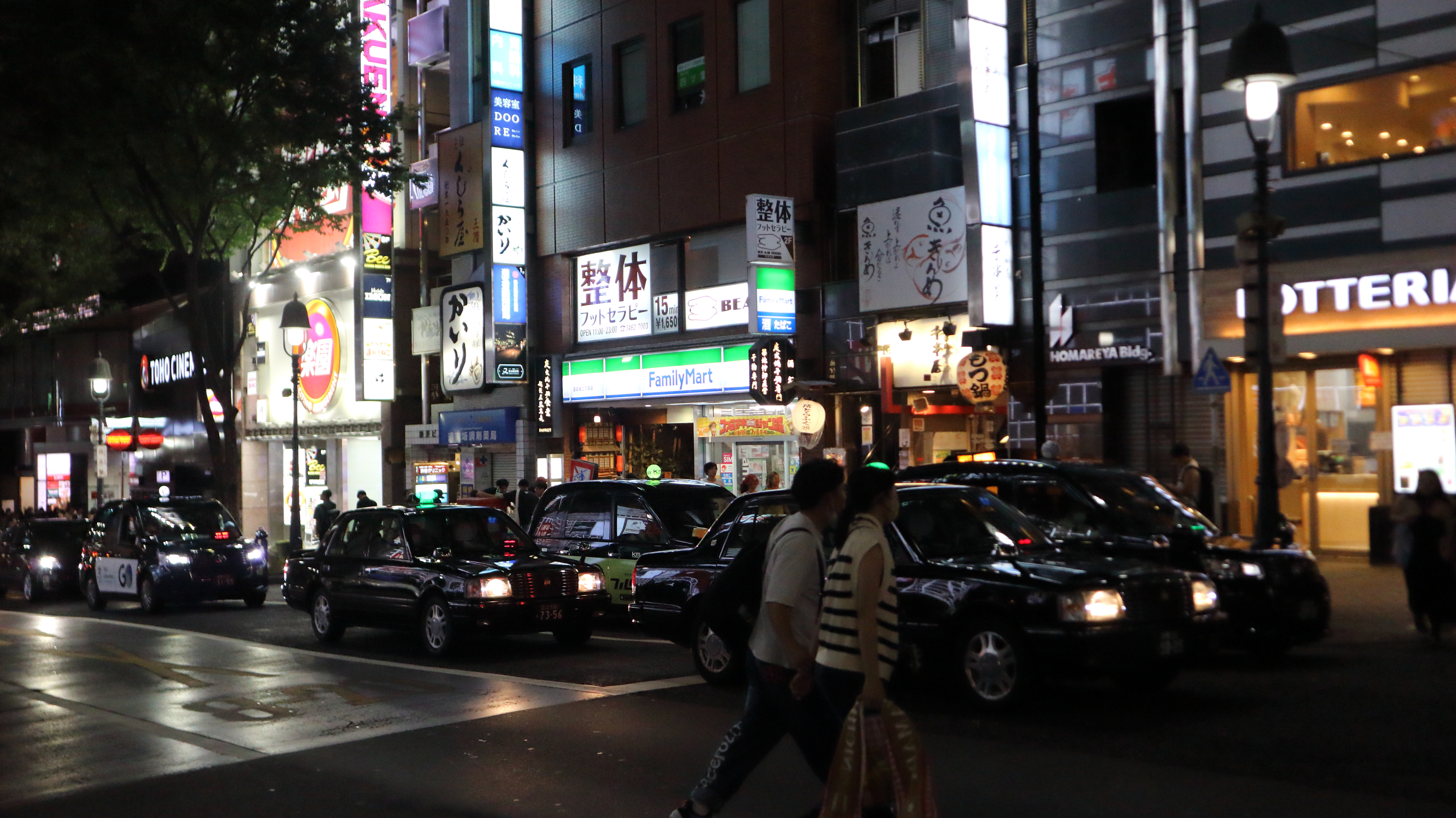

The scramble accomplished, we focused on finally getting dinner. By this time we hadn’t eaten anything since our late lunch at the Studio Tour, so we opted for a big meal – specifically, some steak. From the crossing, we walked up Ugawa-cho towards Ikinari Steak. We had tried Ikinari before when they opened their first Philippines branch at the Mall of Asia and fell absolutely in love with the flavorful sizzling wild steak. We were curious as to how it held up over here in its mother land, and they didn’t disappoint. As it was in the Philippines, the meat was tender and spiced well. Having a sizzling plate to eat it on with your rice and whatever garnishing of your choice truly elevated the experience. By now it’s become a personal tradition for me to have two specific meals on the days surrounding my birthday: lasagna and steak. The lasagna I’d already had back in our apartment in Nara before we left. Savoring the last cut of medium rare wild steak (the trick is to transfer all the meat out of the hot plate before it overcooked, replacing it with the rice), I felt like I’d celebrated turning twenty-sixth quite well.
What else is there in Shibuya? After the crossing and the steak, we were pretty much lost on what else to do in the area. We got some coffee at the Starbucks and chanced upon a table by the window overlooking the crossing. We stayed until they closed (surprisingly early for a crowded touristy area) at around 9PM, and then just walked around looking for something that would catch our eye. The area around the Shibuya 109 was still teeming with activity among bar-goers. The bouncy car passed us a couple more times. We spotted a club that looked like a church from outside, complete with a female server stationed by the door dressed like a nun. Neither my nor my wife are the type to go inside bars or clubs, and there seemed to be nothing else to do in Shibuya besides these after 9PM, so after doing the crossing a couple more times, and taking photos of the Yamanote line trains passing by, we decided to call it a night. Not even 11 PM and we were already back at the hotel, like a pair of old geezers. It was official: I was now getting painfully close to my thirties.

Cat Spotting
After the Harry Potter Studio Tour, we didn’t really have much else planned for our Tokyo Trip. We also didn’t have much cash left on our holiday budget. At the tour, we burned twice the amount of cash we’d planned for, and so we had to be careful if we were keen on not starving out so far from home. We decided to see more of the city, but with a bias for free stuff, or at least stuff that didn’t bleed us out with cash. The morning of our third day, we were taking the subway out to Setagaya to see another iconic spot in Tokyo: the Gotukuji Neko Temple.
To get there, we rode the subway to Sangen-jaya, from which we took the Tokyu-Setagaya tram line to Miyanosaka Station. There’s a short walk from Miyanosaka to the actual Gotukuji temple, and along the way we passed by an old streetcar used by the Tokyu Railway Corporation for this branch of the old Tamagawa Line. The streetcar had been refurbished into a resting area for passengers waiting to get on the tram. The inside appeared to have been kept as it was, except for a couple of photos and accompanying explanatory text detailing the history of the Tokyu trains. This would be a running theme for our next couple of days in Tokyo: me absolutely nerding out over the variety of trains in the city, while my wife waited patiently to the side.
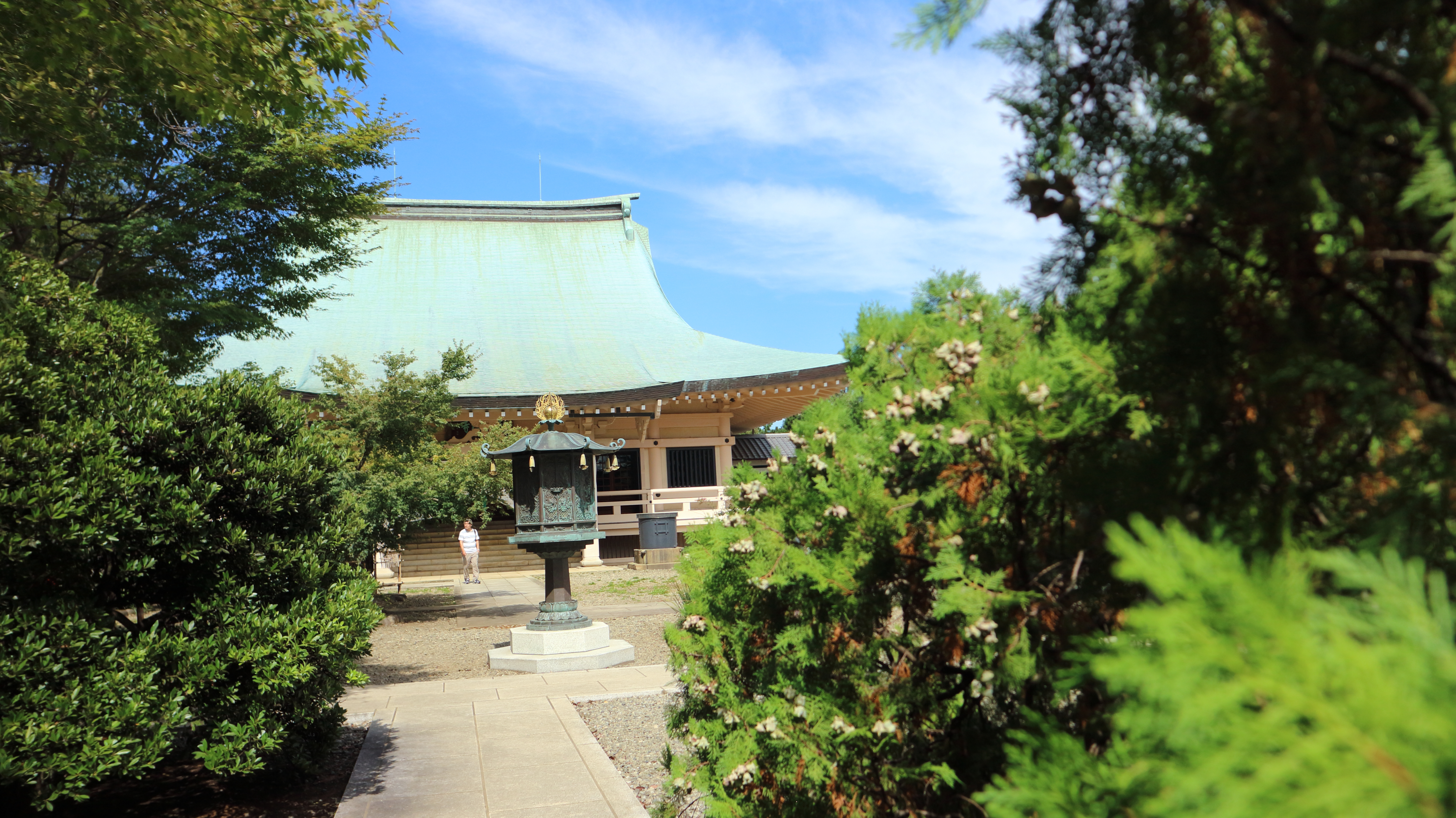
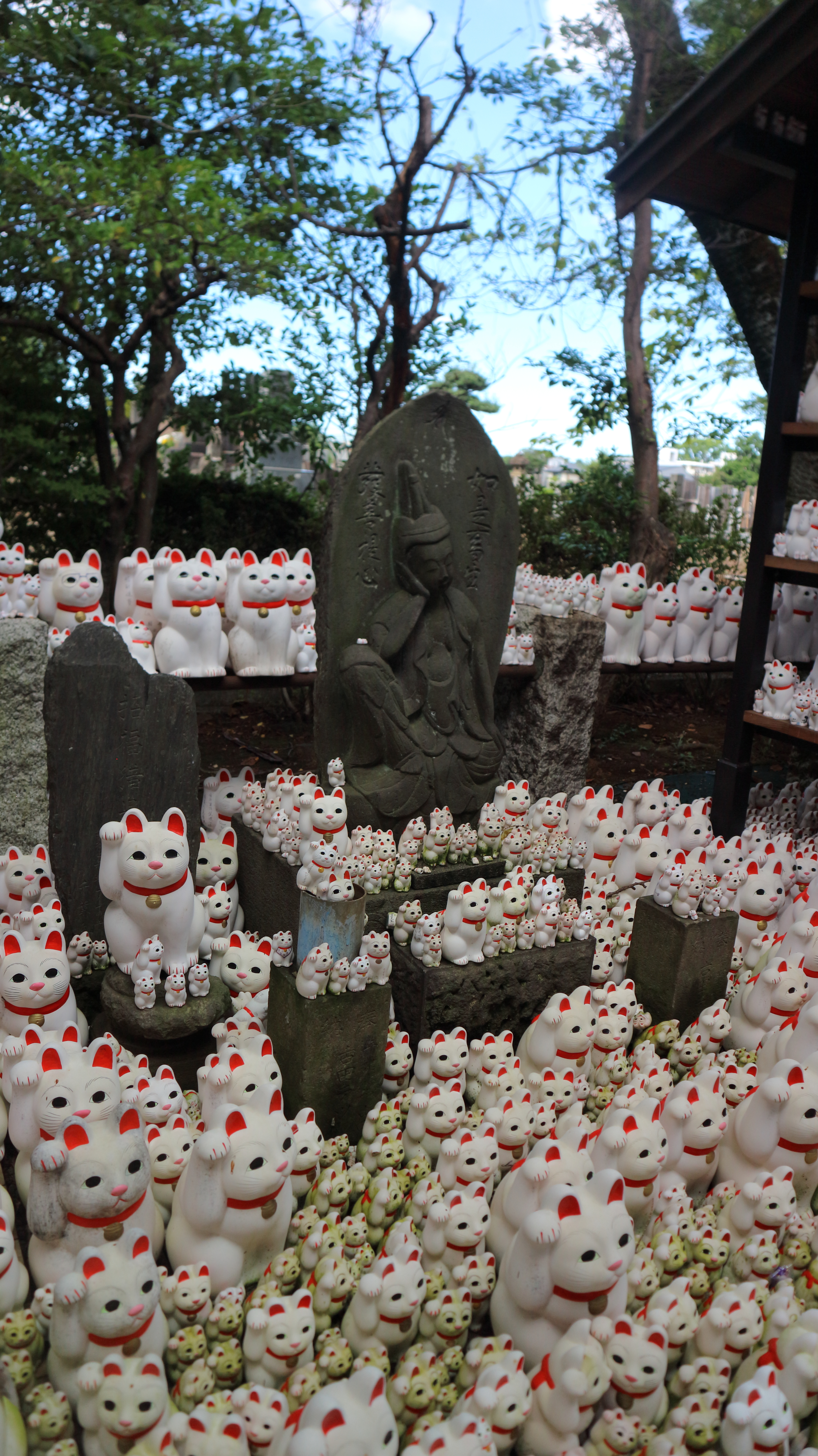
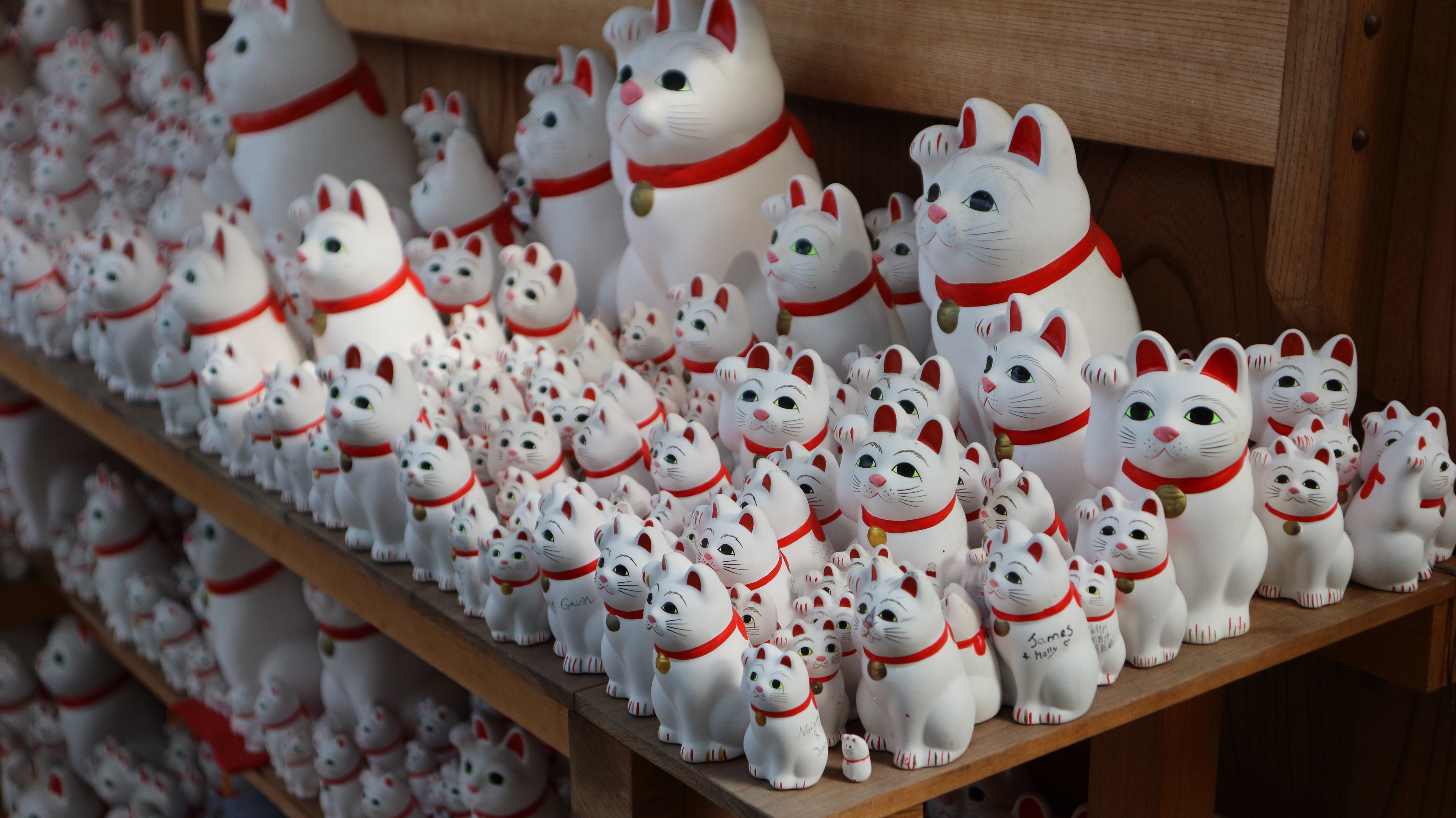
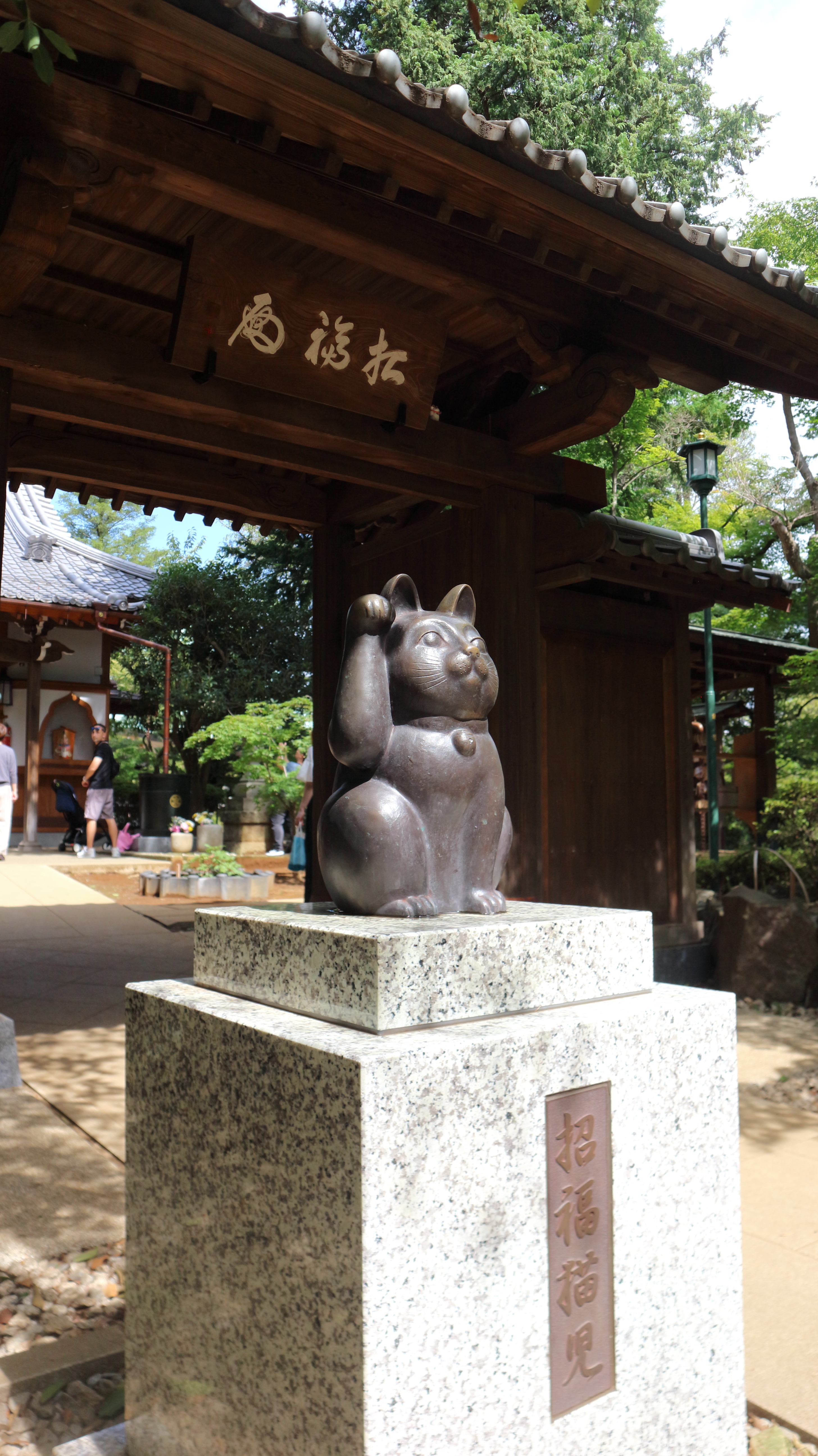
The Gotukuji temple itself was a treat to visit, and is among our favorite among the spots we visited. The temple is famous for the hundreds of maneki neko figurines on display inside its gardens. I believe you can come in, purchase a figurine of varying sizes, and then have it kept on display in the temple bearing your prayer or wish. From what I read, the temple’s current status is owed from a 17th century lord who narrowly escaped being caught in a thunderstorm after he was invited inside by a beckoning temple cat. The temple has since been dedicated to the “lucky cat” symbol. We would learn later, already back in Nara, that the temple actually had an official living cat named Tama-san. We regretted not running into Tama-san when we were there.


Besides the proud display of maneki neko figurines, the temple grounds itself is a stunning sight. Despite being a popular tourist attraction, it still carries a soulful tranquility to it. The crowds walking around the well-tended traditional Japanese gardens talk only in hushed voices, and even the constant snapping of camera shutters sound reserved. There was a camera crew when we arrived, and they were shooting a middle aged lady speaking at lengths in front of certain sections of the main temple. We mused, perhaps for an educational video?
From Setagaya, it was another long train journey this time to the neighboring areas of Shinanomachi station. Fans of anime will recognize this for the iconic stairway beside Suga-jinja and the pedestrian bridge right outside the station, both spots featured in the film Kimi no na wa by legendary director Makoto Shinkai. There is an amusing contrast to the everyday mundanity of both stairway and bridge to pretty much everyone except the few ecstatic few that gather there, us among them, to take photos and mimic scenes from the anime. Does Shinkai ever come back here, just to chance upon and silently watch his fans consecrate these places into holy ground?
(Continued…)
 Dominic Dayta
Leave a comment