I’ve generally avoided writing about writing, both in my creative work and on this blog, for two main reasons: first, not everyone who comes across this website is a writer (I imagine a lot are confused students who got redirected here looking for my faculty e-mail address); and second, as a barely-published writer I don’t feel like I have the credential to make prescriptive statements about how one should write. Hell, sometimes I don’t know how I should write.
But in the flurry of activity that I’ve had since our short trip to the Philippines last month (in which I wrote Sanlibong Mga Sikulo plus a handful of other stories that are right now undergoing heavy editing), I’ve been thinking a lot about this phrase that I hear a lot when I hang out with my photographer friends. Sometimes they mean it as a joke. A lot of times they mean it for real.
“We’ll fix in post.”
It’s funny how I’ve always been surrounded by photographers, despite my primary preoccupations being in either writing or Mathematics. During college, my closest friend on campus dabbled in photography as a hobby, and over the course of his attempts to learn the art on the side, amidst statistics midterms and final papers, he would share with me little bits like how to properly frame subjects, or how to play with lighting to bring out a story. Also, a beginner’s class that I took on creative writing on my second year as extra credit brought me into contact with students from the Mass Communications department, and in search of ways to kill the long breaks in my schedules, I would find myself observing them at work.
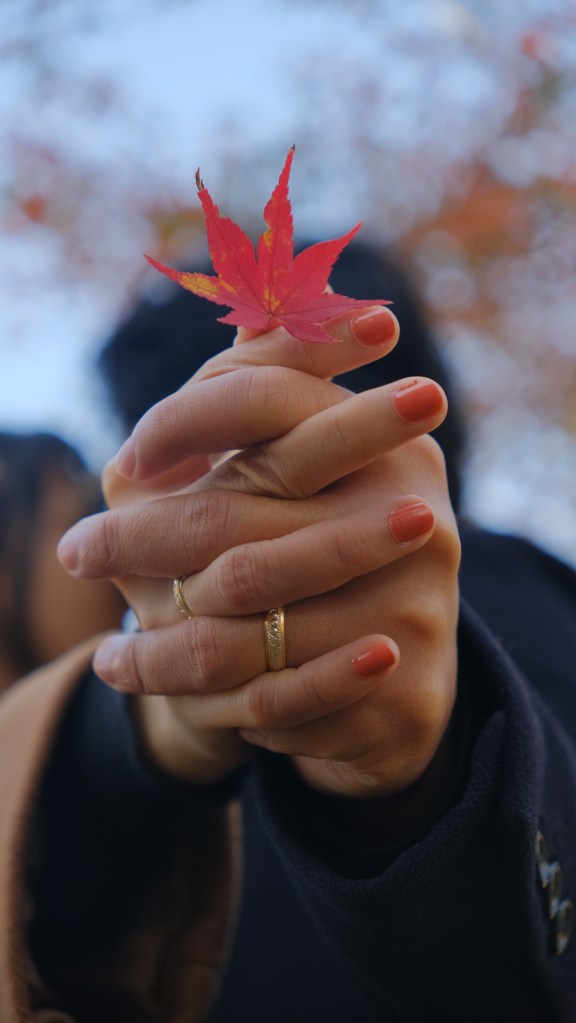
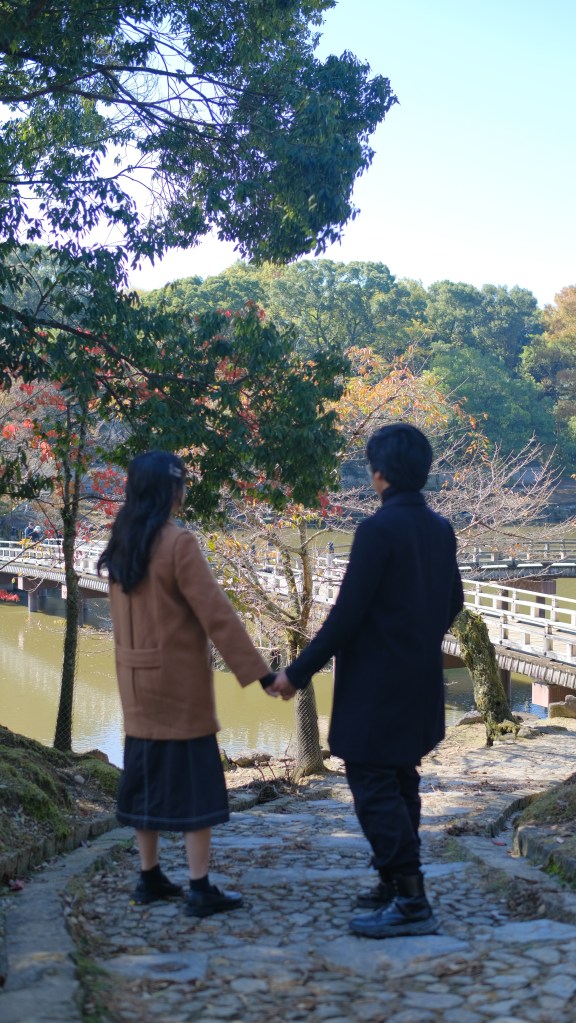
Right now my brother is managing an events photography business, and some of my Filipino-Chinese classmates here in Nara are themselves novice photographers. For the prenuptial photoshoot, my wife and I hired said classmates to take photos for us, based on ideas (called “pegs”) sent over by my brother from Manila. They handled framing and lighting, and afterwards my brother took over for the final edits. No matter the reason, I highly recommend befriending at least one photographer in your life: you can get wedding photos, author photos, and whatnot at a moment’s notice. (Do pay them their dues, though.)
It’s an amazingly empowering statement, I think, and writers like myself could do worse than adopt their optimism. When we were taking our prenuptial photos, our friends would hesitate at whether they’ve got the framing right, or whether the photos would turn up well given the harsh sunlight (we were shooting on an afternoon in November, at a secluded corner of Nara Park). One of them we jokingly called a “flare enthusiast” because he kept positioning the camera so that the sun struck the lens at just the right angle, giving a little bit of dazzle to the photo. Sometimes it really did dazzle, but others it hilariously ended up being all flare and almost little to no subject (me and my then-fiancée). To any unsure photo, any uncertain pose, they would nod to their lenses and say, “Ah that’s fine, we’ll fix it in post.”
The joke, of course, being that they wouldn’t be fixing it in post. My brother would be.
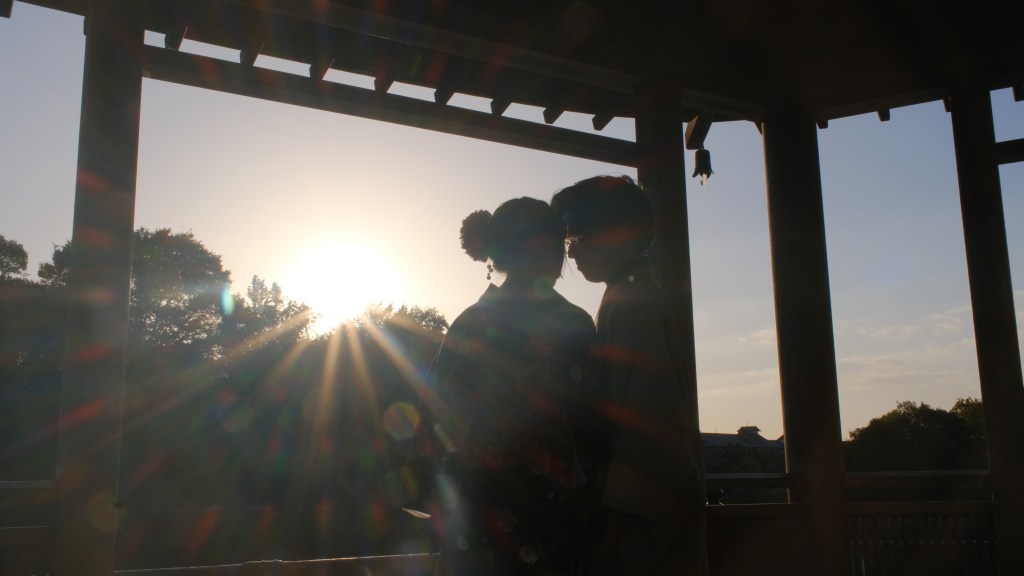
To fix a photo in post(-processing) means to edit later. To snap the photos now as the situation presents itself and worry about whether it looks good later. Of course, no amount of editing skill can correct a terribly taken photo, but at least an okay photo can still be revived with the right adjustments. We’re a bit more fortunate as writers in that very little writing can be “unsalvageable” save for a totally abortive idea, but even that can be workshopped into something workable given enough time. I’ve been keeping this idea to mind as I plod through my stories this month and the novel that’s been work-in-progress for the better part of the last four years.
I’ve been writing for more than a decade now. My very first story was published in 2013, when I was still in high school. At this point I’ve had my fair share of story ideas that never took off because I never felt ready, or like I had the right tone or character beats for the story. Some stories I’ve started and got all the way to the middle, only to then feel unsure about the plot progression, or whether the theme is coming across coherently amid all that sound and fury. There are days when writing feels like — to paraphrase Stephen King — shoveling shit from one corner to the other. And that’s how I’ve come to this point in my writing career when I’ve got a larger burial ground of aborted projects than I do completed ones, even if I count the few that did see the light of day in some magazine or literary journal somewhere.
Now I think, I might have written more, had I just kept on. I might completed more stories, more projects, and had more to show for it by now if I stopped worrying about whether they would turn out to be good when all they needed to be — for the moment — was written. Sure, they might not all have been published (I can recall a few projects that I don’t regret not pushing through with), but I would have learned more about technique, about revision, and about completing if I had just let myself reach that point.
So this advice is more for me than it is for you: whoever you are, and whatever reason you might have for still sticking around on this thousand-word blog post. Just keep writing. Keep that butt on the chair and the door to the writing room closed until the story is finished. Who cares if no one will like it? Who cares if it’s the stinkiest pile of shit ever shoveled this side of the Pacific?
We’ll fix it in post.
(Except for the featured image, all photos were taken by the amazing Hans Ong, Brian Lim, and Prim DP.)
 Dominic Dayta
Leave a comment