Back in September, for my birthday, my wife and I flew to Korea a propos of a really good deal on plane tickets. Also, now that we’re on our third and final year of my doctoral studies, we realized this may be our last opportunity to cross the sea into Japan’s former colony with our Japanese residence cards (doesn’t give us visa-free access, but it does supposedly help with the application). The trip was so that we could bask in the K-Culture we’ve come to be so immersed in over the last decade: we were both into K-pop when we reconnected after college and bonded over a shared love for the (since-disbanded) group G-Friend. Although really most of what we did was eat and drink our way through a prepared list from the country’s world-famous cuisine.
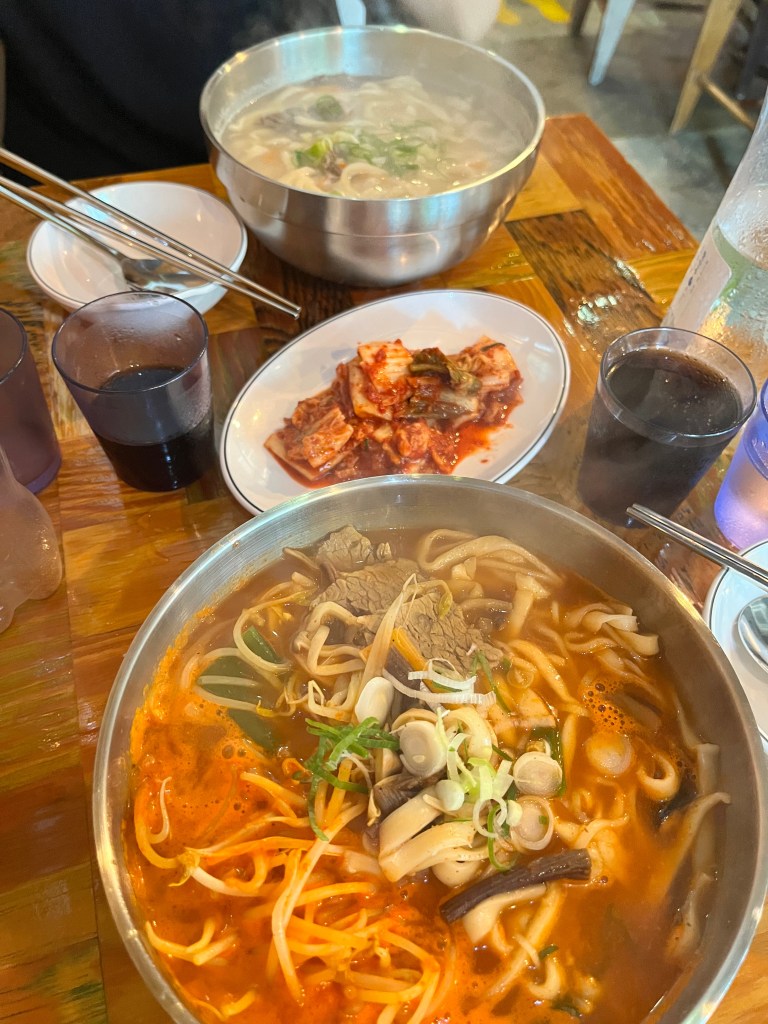
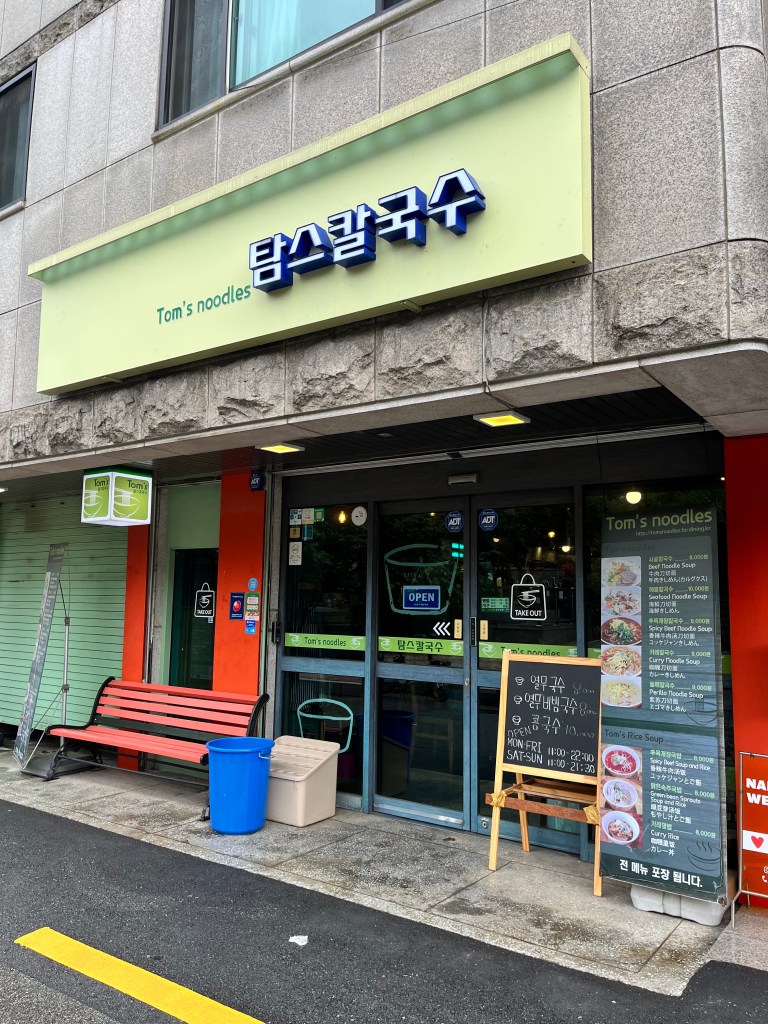
Right from our landing, we emerged into the city after a two-hour flight and another half-hour or so on the train into a noodle shop just outside Hongik University serving kalguksu, a traditional soup with knife-cut wheat flour noodles. The wife, not being one for Korea’s default spice level, settled for a beef broth, while I challenged myself to the spicy version. Thus, while I tried to satiate the burning in my mouth with sips of water from a tiny, metal cup, we finally seared into our senses that we really were, at last, in South Korea.
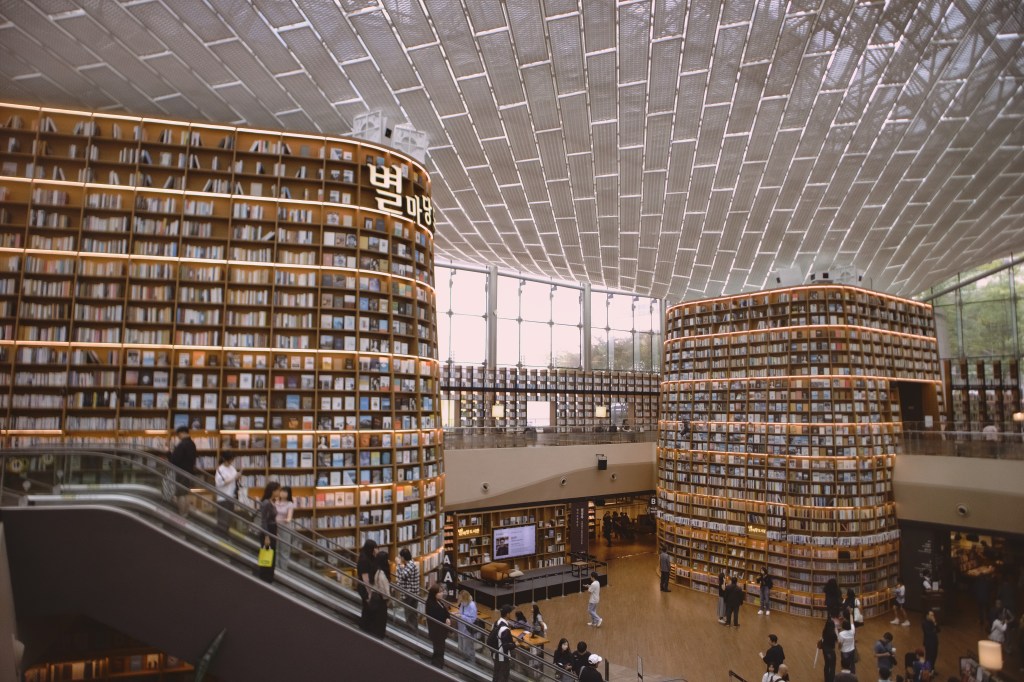
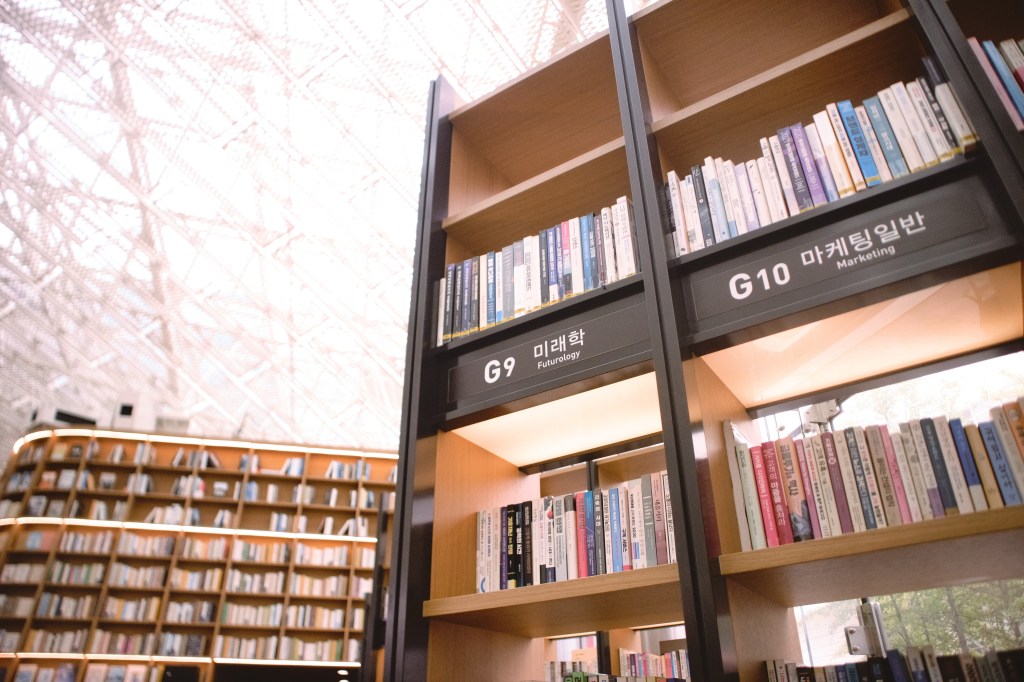
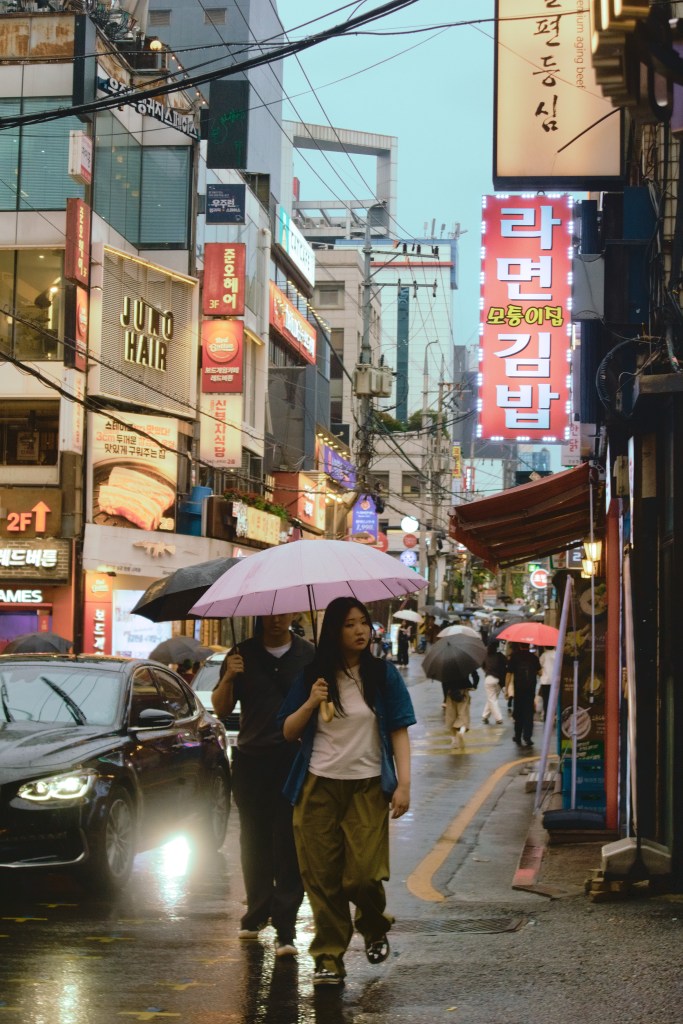
Somewhere in the blur of those four days were also books. Every new country I visit, I make a point of buying a book by a local author. If an English translation is available, I buy that alongside the original, that way I’m also supporting the local publishing outfit. The wife and I decided to spend one particularly rainy day indoors, at malls, bookshops, and – of course – restaurants. After taking a photo of every corner of the impressive Starfield Coex Library, we headed to Youngpoong Books and with much struggle finally managed to locate a Hangul copy of Han Kang’s Human Acts.
I’d meant to read Han Kang for a while at that point, especially since she won the Nobel Prize for Literature last year. South Korea, like the Philippines, is a country emerging from a long and painful history. And while Korea has arguably been more successful in dusting itself off, like my own country it continues to be haunted by the past. Han Kang’s writings, at least from the blurbs I had read, made her sound like a kindred spirit. Her works have been praised for their courage in confronting the most painful episodes of Korea’s bloody history. Her Nobel citation reads,
“For her intense poetic prose that confronts historical traumas and exposes the fragility of human life.”
As of writing I’ve already read Human Acts, which deals with the massacres committed by the military dictatorship of Chun Doo-hwan during the Gwangju Uprising. By that time, the country had already been through a long dictatorship (with the human rights violations associated with it) under Park Chung-hee. When Park is assassinated in 1979, there is a short glimmer of hope (dubbed the “Spring of Seoul”) for democracy, but this is immediately crushed when Park’s military general Chun seizes power via a coup. Instead of being overturned, martial law was expanded to even further proportions. In May 1980, residents of the city of Gwangju protested this new military takeover, and the dictatorship’s ferocious response sets the stage for the novel.
It’s a haunting book – rightfully so, as it takes on a haunting subject, one that is all too familiar for a Filipino like myself. The novel deftly handles the gore and violence of Chun’s authoritarian rule without glorifying it or spiraling into pastiche. Even when the dictatorship is long over, the trauma lingers. The body it self may heal, but the soul, a country’s consciousness, remains scarred – probably for good.
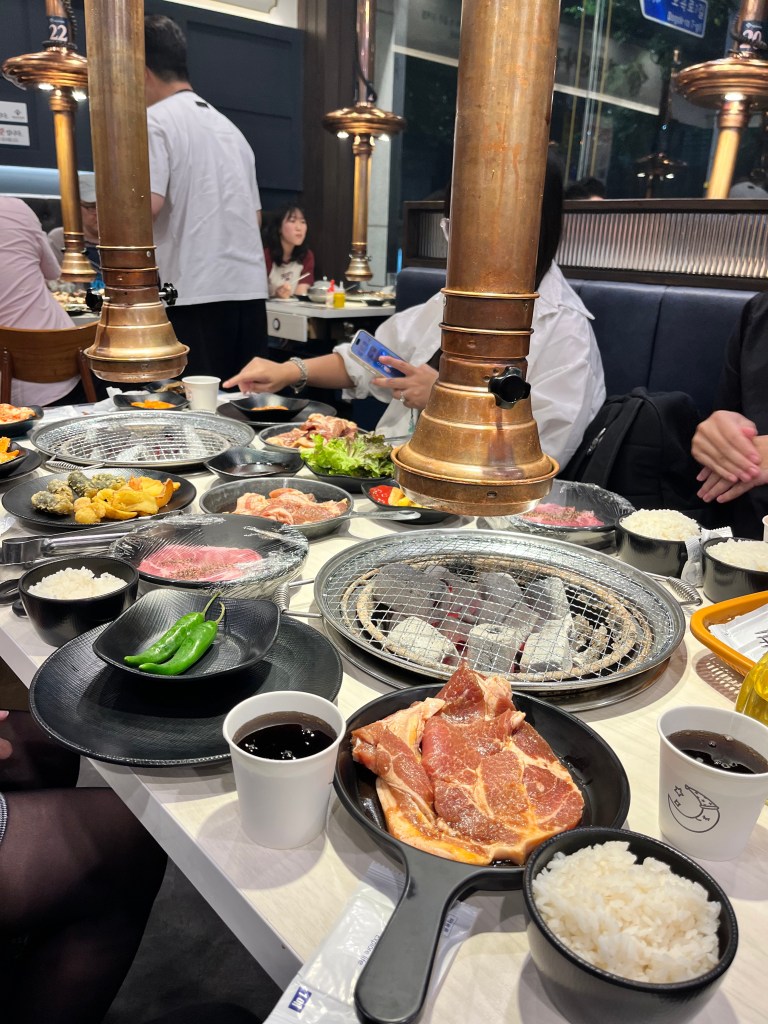
After the bookstore, we met up with some of my wife’s friends from high school and spent the rest of the evening eating and drinking at a Korean barbecue in Gangnam. Another observation we had about Korea is that the food was cheap – at the very least, cheaper than Osaka. The place we went to served unlimited meats at a fraction of the cost we would have expected (at that level of quality, at least) in Namba. Too bad it was raining too hard and to explore more of the district that Psy catapulted into worldwide fame back in 2012, but by the time we left the restaurant there was hardly any time for it either way. Stomachs full and heads buzzed from so-maek (combination beer – maekju – and soju), we ambled towards the subway and retreated back to our hotel.
Whether we continue living in Japan or come back to the Philippines after my doctorate, we’re making a point to visit South Korea again. While we’ve done and seen much of the city’s highlights (including taking photos with the guards at Gyeongbukgung Palace, and having coffee and pastries at a cafe in Bukhon Hanok), the city itself is just that much full of life and history. Plus the food is amazing.


 Dominic Dayta
Leave a comment