I had to go back to Tokyo a propos of an all-hands meeting that my company was holding there. Not one to say no to a paid getaway (even though I would be working through the weekdays), I immediately booked my Shinkansen tickets and my favorite hotel in Shinjuku, with my wife in tow, for two nights in Japan’s riotous capital.
The meeting couldn’t have been scheduled any more conveniently. We were to meet and have a celebration dinner in Ginza Thursday night, after which my wife and I decided to stay in for Friday while I worked remotely from the hotel, enjoying the hotel’s onsen facilities during breaks, and taking full advantage of the many food options that the Shinjuku-gyoen area had to offer.
Onsen
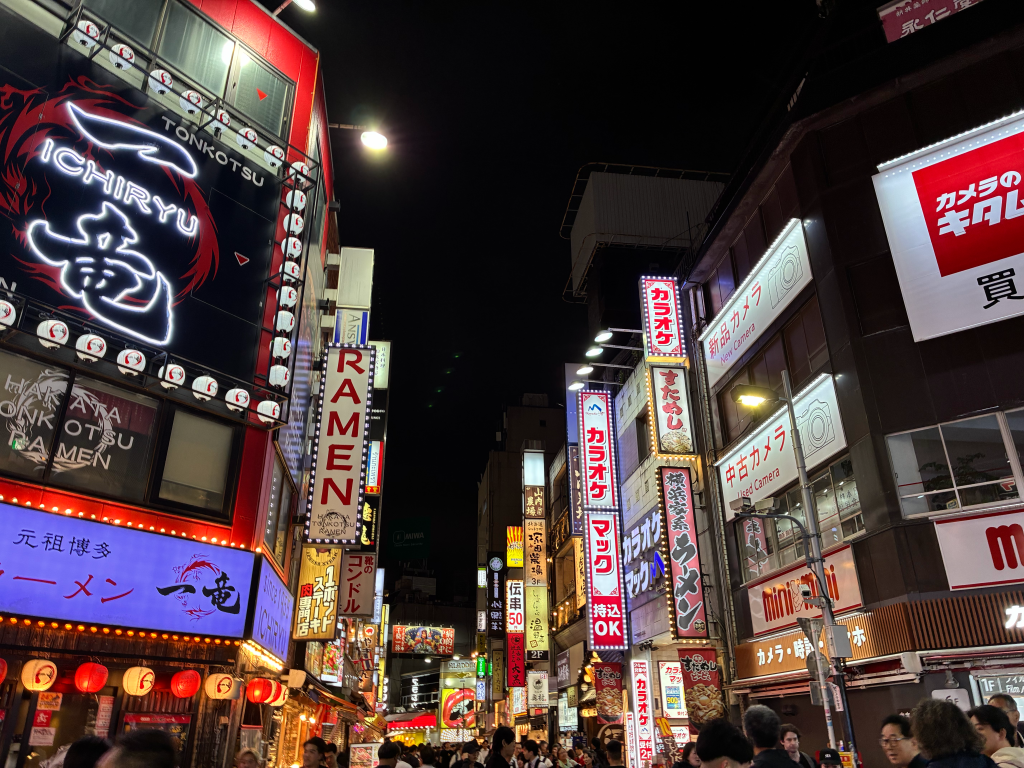
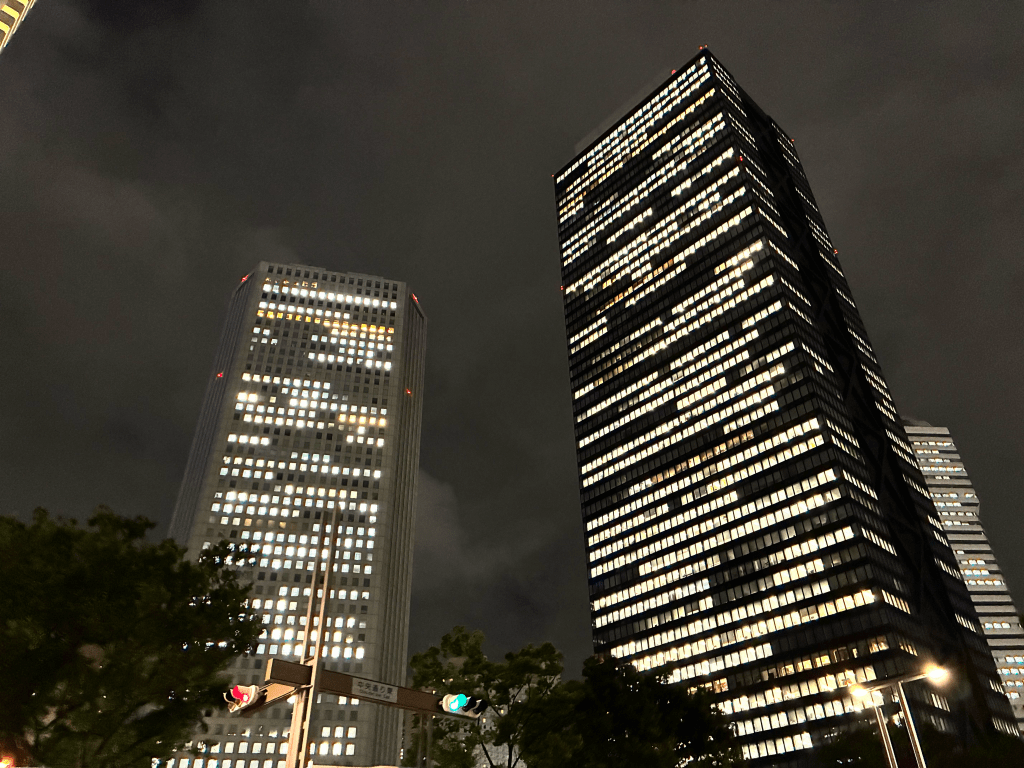
This particular hotel has been a recurring choice for us now since we first stayed there September last year to attend an SB19 concert that was happening in the Haneda area. Primarily because of the hotel’s (relatively) cheap prices, and the fact that the facilities boasted both an onsen that’s open until late in the night, as well as a terrace swimming pool. Unfortunately the swimming pool was still closed for the season, but I made good use of the onsen all the same.
The Japanese sure know how to make a ceremony out of something as trivial as a bath. There’s nothing quite like coming home from the last train out of Ginza from a late-night nijikai and washing up all the grime and sweat at the shower area, followed by a long, luxurious dip in the furo. Even now that the temperature has started to rise all over Japan, with sticky, sweaty summer right around the corner, the onsen just makes sense.
For obvious reasons I couldn’t take pictures of the bath area, but this one, like all Japanese baths, was designed with ambience in mind: in the morning the fog on the tinted floor-to-ceiling window looking out on the covered outdoor bath area keeps sunlight scarce within. At night, dim orange lights placed by the shower area cast a somnolent shade over the black marbled floor and the faux obsidian pool. On the walls, pebbled crevices mimic the look of a buddhist rock garden. Everyone saunters in wordlessly, taken in by and in respect of everyone’s manufactured calm. There is only the sound of the bubbles aerating the hot water bath, the hiss from the showers, and, every now and then, an anonymous, tranquilized sigh.
By the time my chin is touching the bubbly waters in the furo, I was sober again, having sweated and sighed away all the beer and Hakushu highballs consumed through the night, and 20 minutes later, while I’m toweling myself off and getting into the onsen’s provided yukata, I’m ready to bury myself like a mole under the weight of blankets and sleep.
Yellow Submarine
Day 2 of the trip consisted mostly of working. I woke up bright and early in the morning and pestered my typically nocturnal wife into getting breakfast at the ground floor buffet. The hotel offered a wide variety of meal options, from Western style eggs, bacon, and sausages, to the more local miso soup and fried fish ensemble. We had some of each. I also got a few pastries to enjoy with my morning caffeine shot, while we planned the rest of our loafsome day.
Which meant her mostly sleeping, or surfing channels on the television, while I sat at the desk amid the mess of our personal effects and half-emptied take-out containers putting in the day’s work. I spun up and took down Docker containers. I connected to remote servers and pulled up results of analyses both ongoing and catastrophically halted, diagnosing the latter to make sure the former don’t end the same way. The day-to-day of the modern computer engineer. If you don’t have at least one tmux session diligently chugging away the results of a ten-module pipeline on some EC2 instance somewhere in the world, are you really working?
Eventually the workday comes to an end, and after spinning up the last of my ongoing analysis jobs on to the server, I logged out for the day and my wife and I tried to make up for the rest of the evening by taking a stroll down Takeshita Street, in Harajuku. We don’t often come to this part of Shibuya, populated as it is with commercial temptations we’d rather not indulge ourselves in, clothing brands beyond our usual budget, and hip collectibles that look good on the shelf but not quite as good on the upcoming statement.
Today was different. Today we decided to give in to a little bit of indulgence, purchasing ourselves new clothes for another upcoming – probably as indulgent – trip later in the year. The length of Takeshita reminded us of the glitzy shopping district in Hongdae. And just like its sister street in the Korean Peninsula, I felt unsuitably dressed among the fashionable youths that trolled its outdoor display hangers, snacking on foot-and-a-half long sticks of fried potatoes and Japanese variations on the French crepe. At least my wife looked right at home in her jirai kei blouse and skirt.
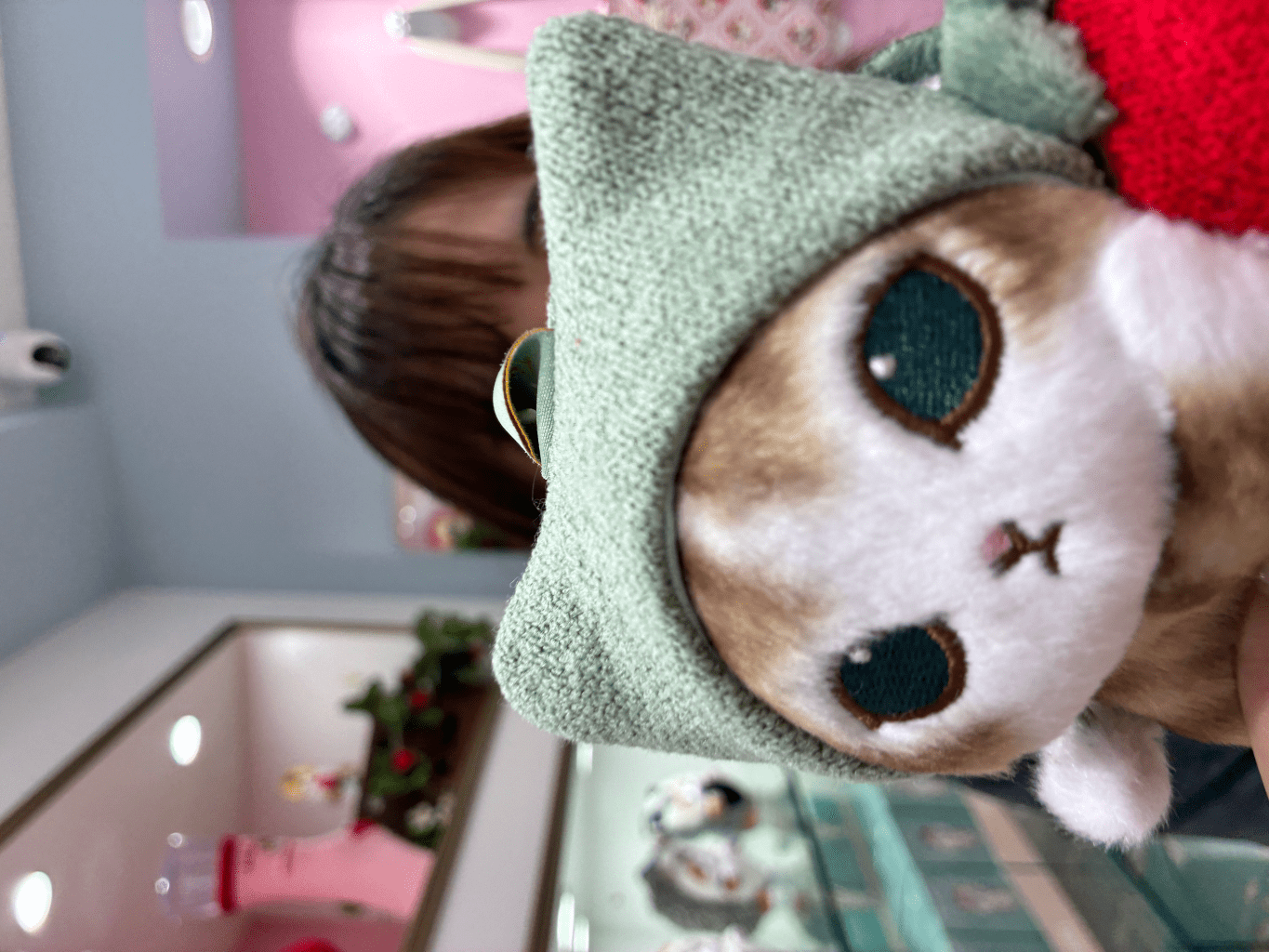
We took photos outside the two-floor mofusand store across the road, along Jingumae, and were disappointed to learn that only the ground floor was actually open to customers, somehow having fewer goods (as we would learn later) than the basement branch under JR Tokyo Station. Nevertheless she got us matching mofusand bag charms – not her first mofusand purchase of the trip.
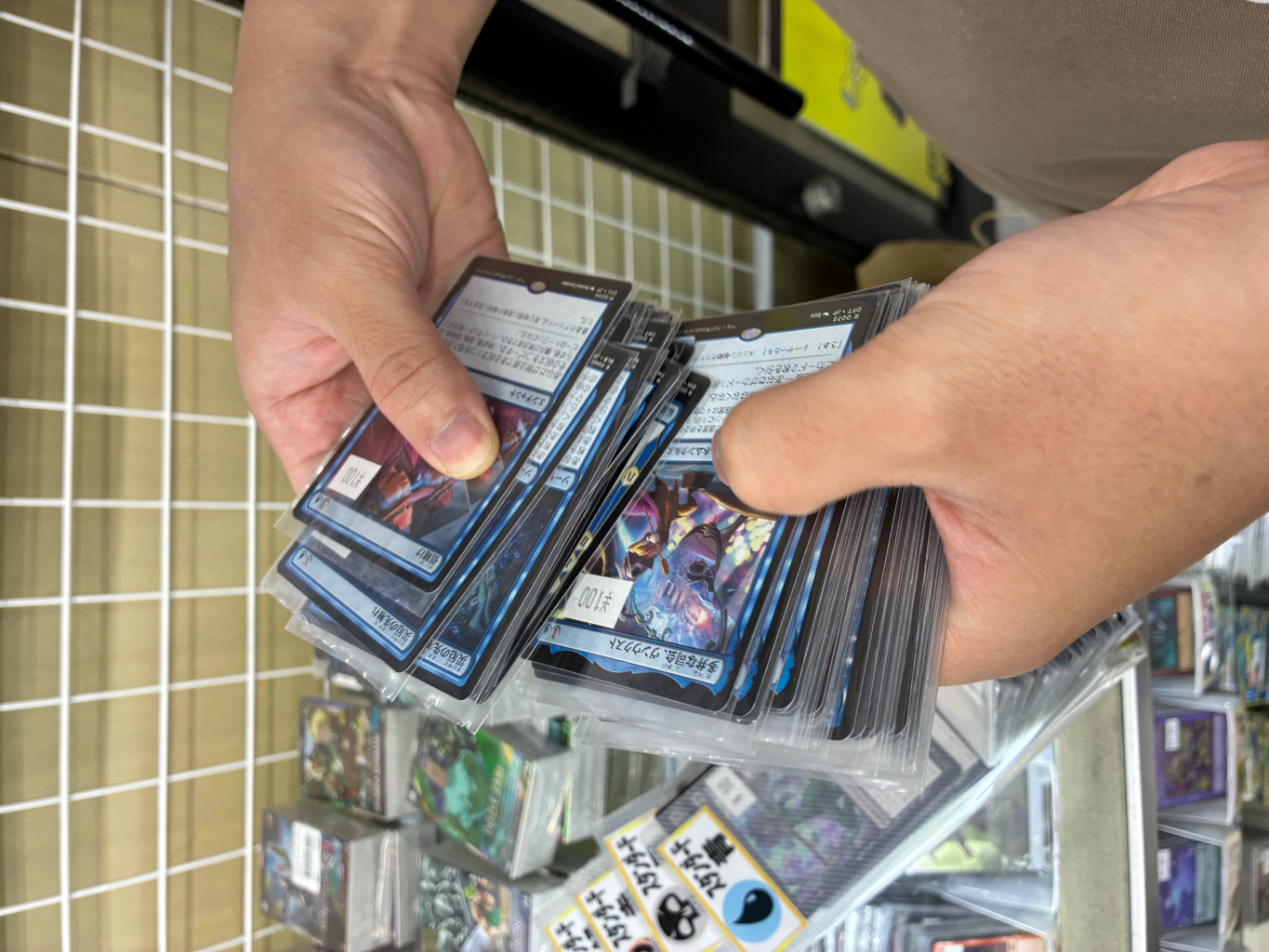
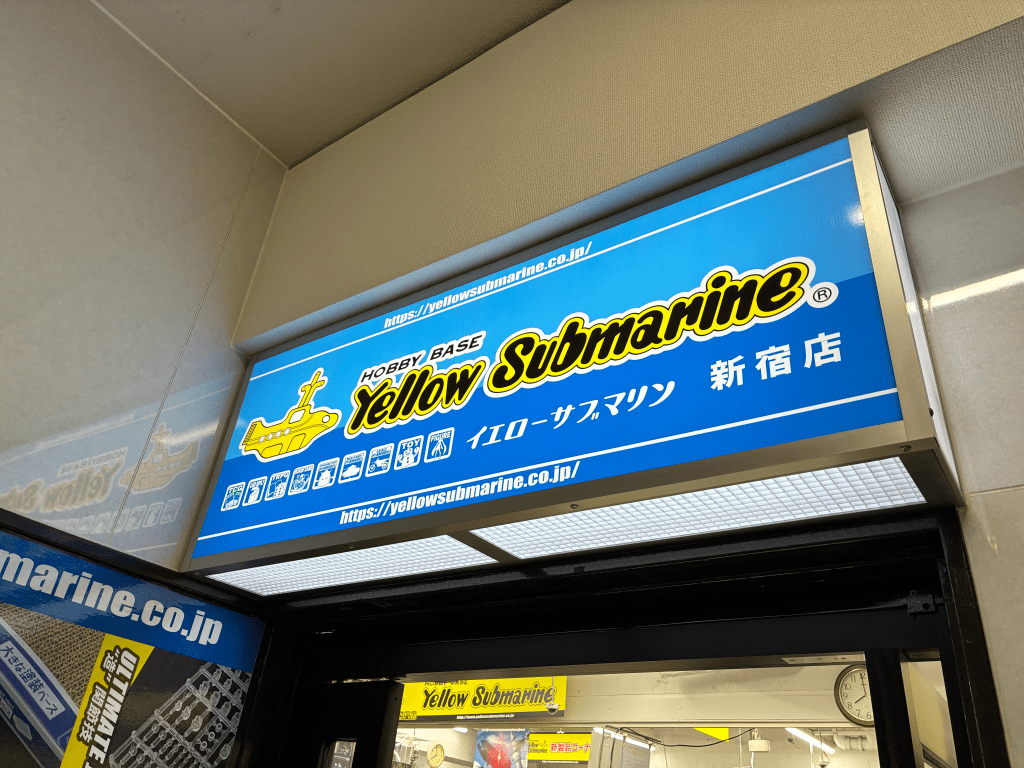
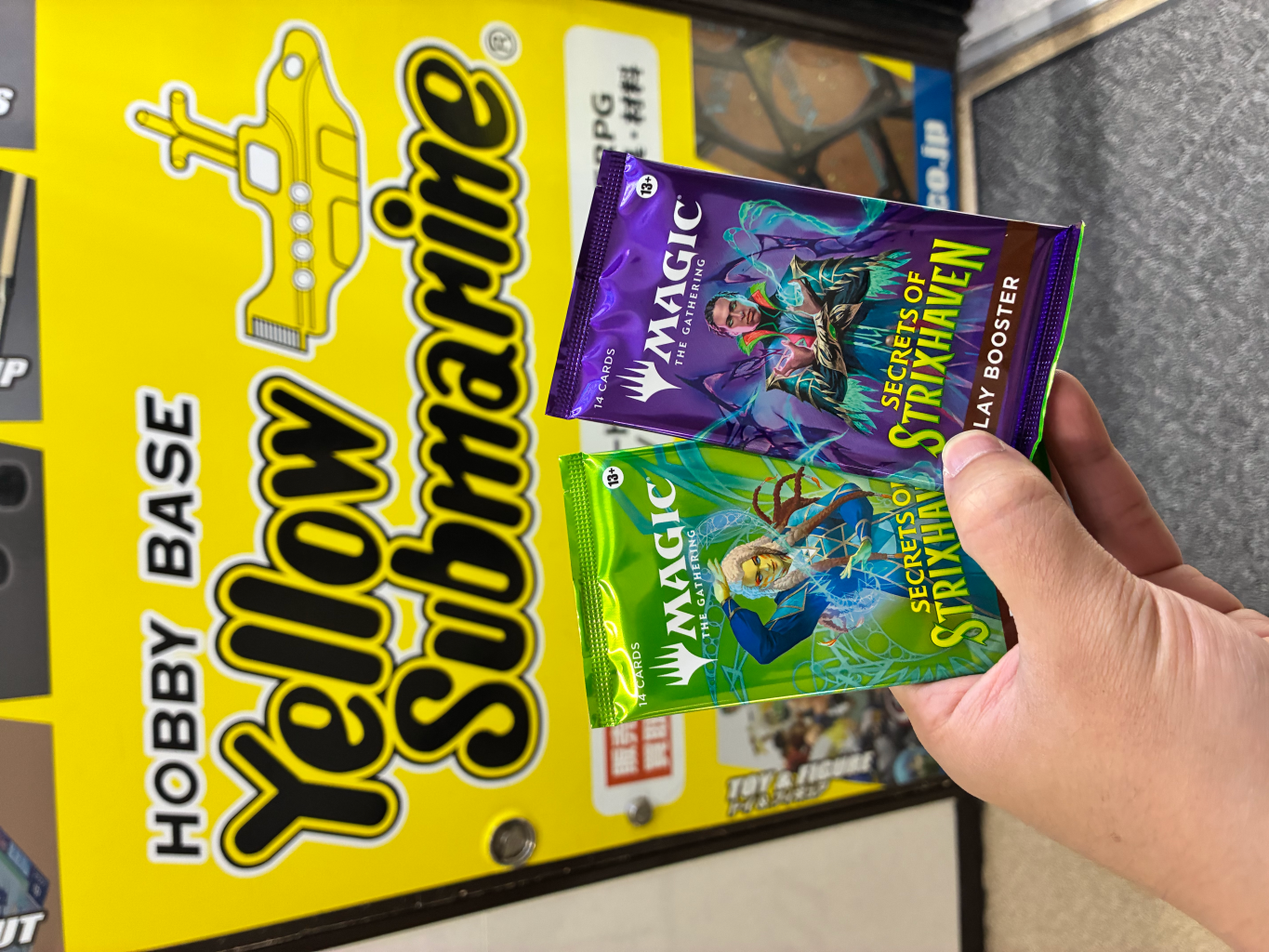
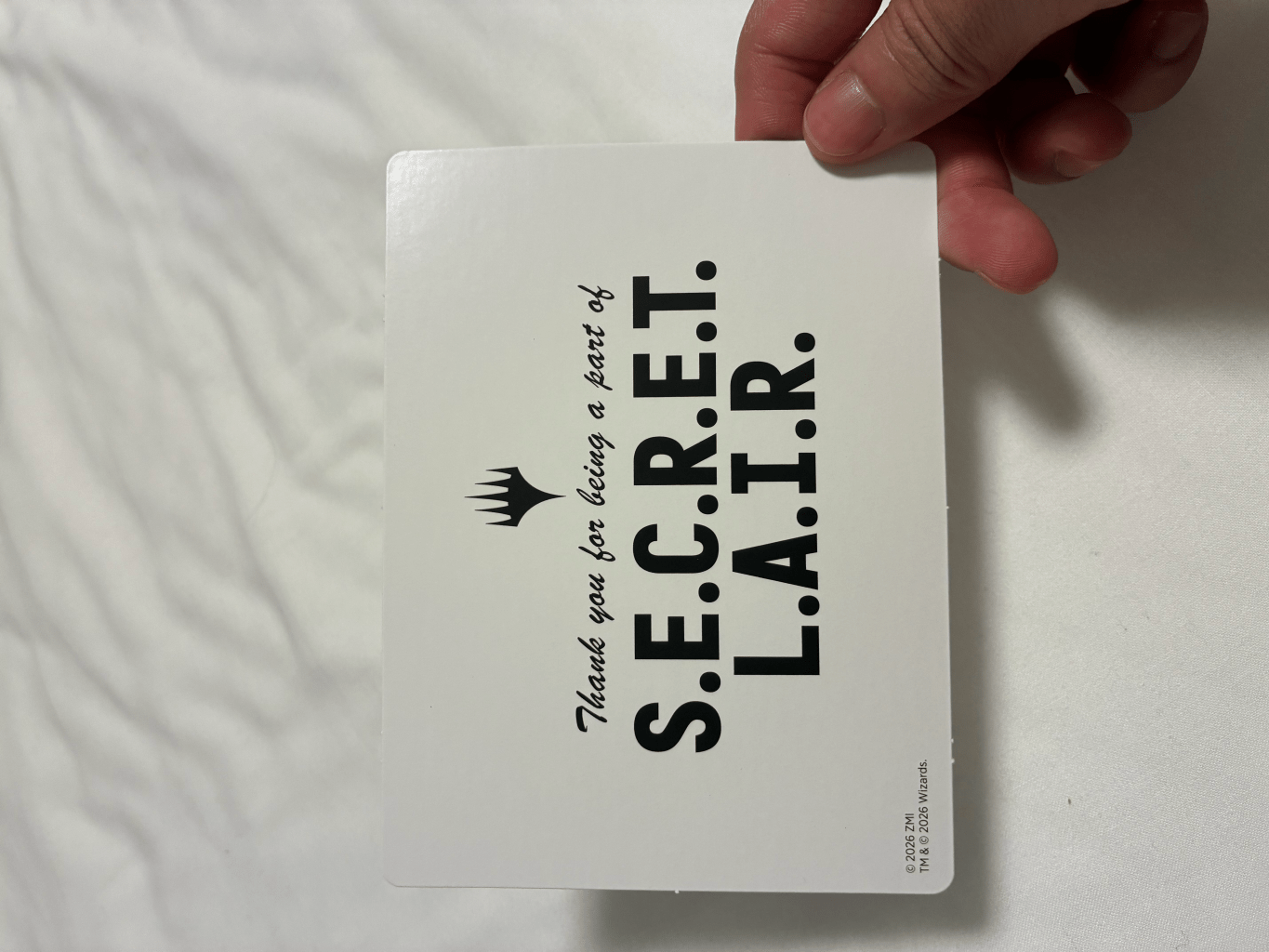
We soon needed to interrupt our Harajuku stroll as we were due back in Shinjuku to dine with some of my university friends who were now living and working in Tokyo. While waiting for their arrival, we found ourselves drifting into the Yellow Submarine store just by the station, where we promptly met with more commercial temptations in the form of a Magic the Gathering Fallout Secret Lair drop and some play boosters of the new Secrets of Strixhaven set, both fortunately available in English.
I’ve yet to write about our Magic the Gathering hobby on this blog, though I have alluded to its beginnings alongside my return to playing Yu-Gi-Oh! and gaming in general. Since starting out with the Foundations set, we have found ourselves face-to-face with the reality of a card game hobby, why people online have referred to Magic specifically as “cardboard crack”. Our card collection must count to just under a thousand by now, seeing as we’ve accumulated multiple commander and standard decks, and our own battle box curated out of a 200-card bundle purchased on a whim from Mercari.
Our purchase at Yellow Submarine would seem tame in comparison in terms of card quantity, but certainly not in price. The Secret Lair drop alone, though containing only 6 cards, set us back north of 5000 yen despite an already sizable discount from the store. While some of the cards appear to be a perfect fit for my wife’s Dogmeat commander deck, most of them are going straight to our collector binder. We contemplated buying a few more things – such as official Strixhaven deck boxes, or final fantasy themed sleeves – we decided we’d thrown too much of our hard-earned cash into the capitalist grinder already for one day (and not even a full one at that), and decided to head back to the restaurant to meet our friends.
Infinity Books
On our final day, we decided to walk around Asakusa, an area we both felt we had unfairly neglected throughout our previous Tokyo trips. We mostly ventured there in search of a specific Yamamasa Koyamaen matcha for my sister, intending to send it her way when we return to the Philippines later this year. After a bit of navigating, we managed to find it in a small, unassuming shop towards the end of the shopping street, directly facing Azuma Bridge.
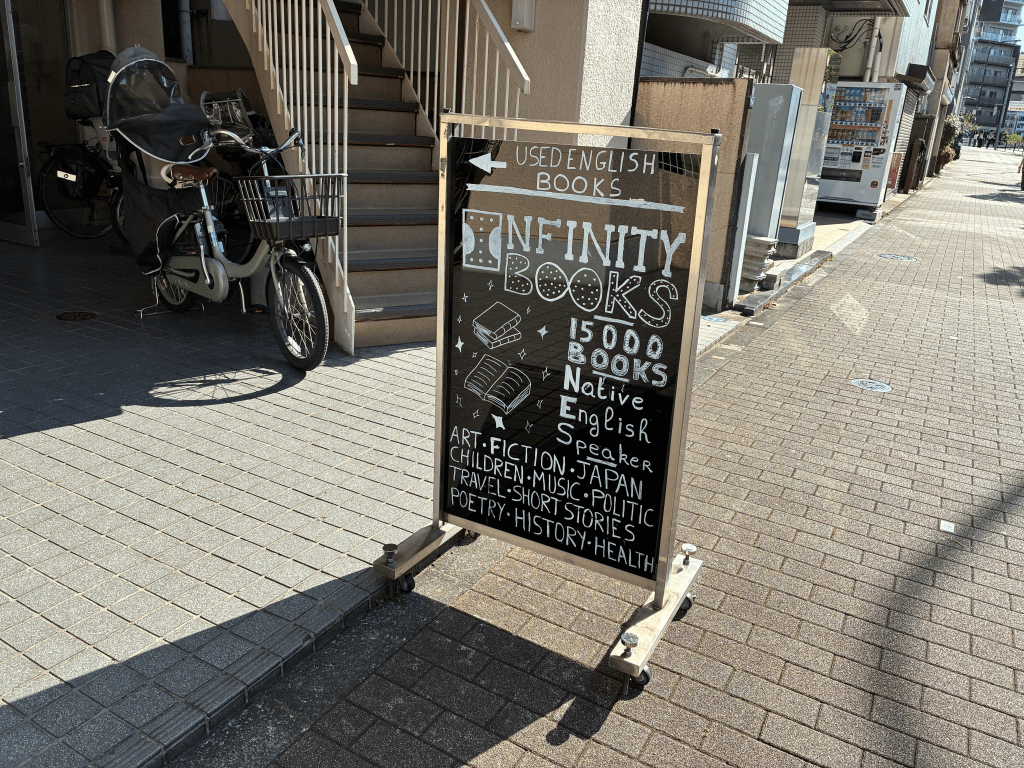
Continuing our stroll down across Azuma Bridge, we serendipitously ran into Infinity Books along Azumabashi 1-chome. A beloved staple for expats and locals alike, the shop is a floor-to-ceiling labyrinth of secondhand volumes, dealing mostly in English. I was pleasantly surprised, however, to discover a small but robust selection of French, German, Italian, and even Russian books tucked away on its shelves.
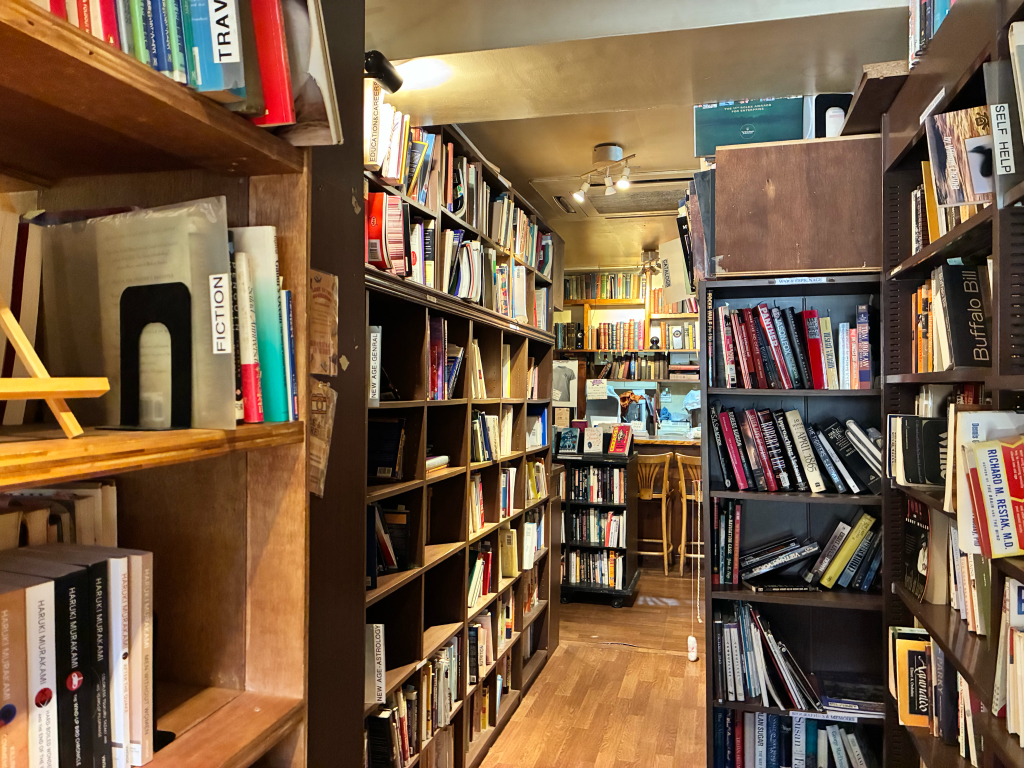
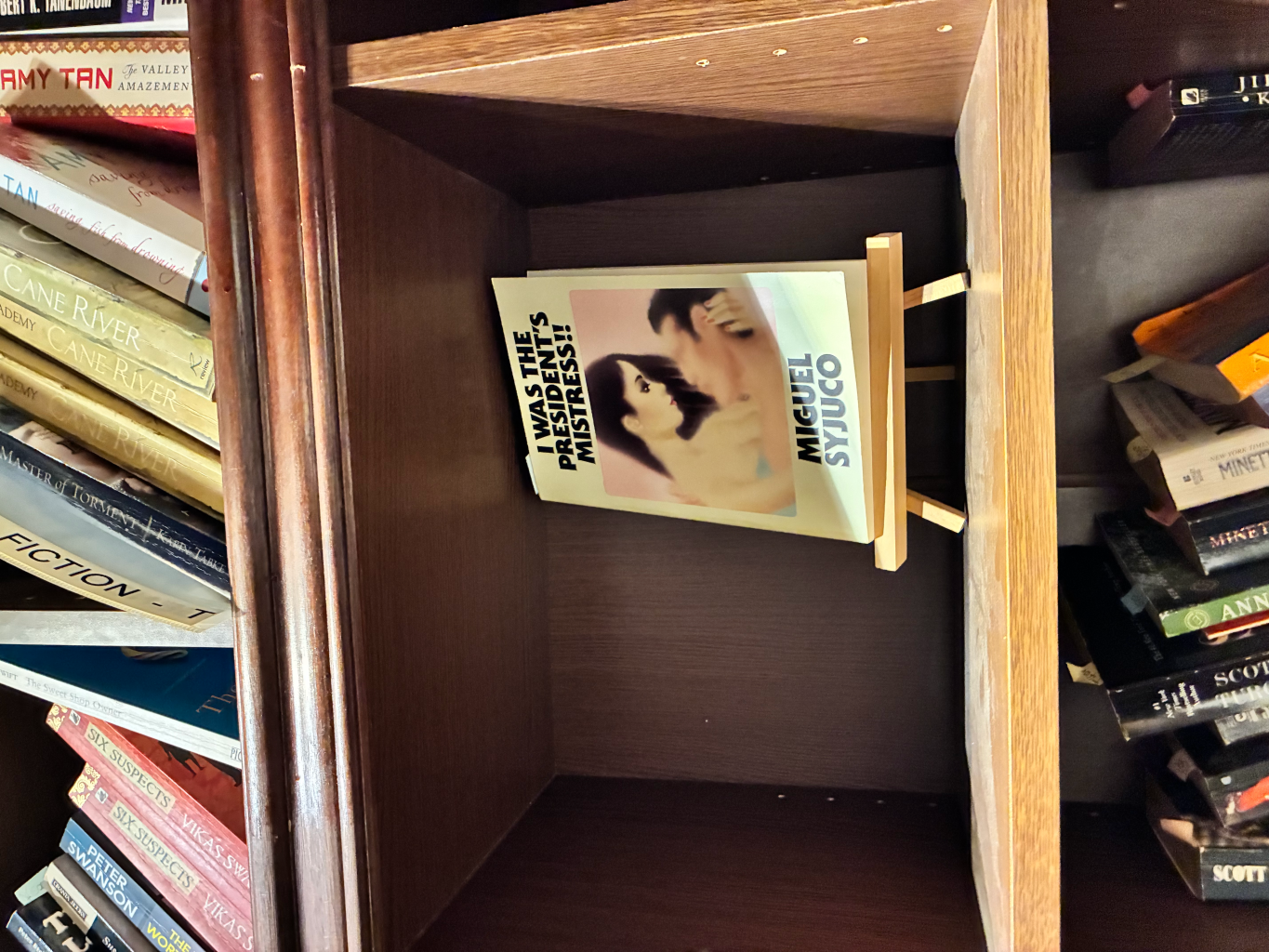
Browsing the displays, I was very pleased to spot Miguel Syjuco’s second novel, I Was The President’s Mistress. Seeing it took me right back to college, when I first read Syjuco, purchasing a copy of his debut, Ilustrado, a propos of the many glowing reviews online and its inviting black cover. Ilustrado famously took home both the Palanca and the Man Asian Literary Prize, and while I have a deep appreciation for its dizzying, metafictional narrative, I just don’t feel quite ready to dive back into the frantic, satirical density of his work right now.
Instead, we ended up purchasing a classic Pelican Shakespeare edition of The Comedy of Errors, as well as a combined paperback copy of William Faulkner’s Sanctuary and Requiem for a Nun – the Faulkner perfectly scratching that familiar itch I have at the moment for darker, hard-boiled literary outings. Both were proper secondhand books, their pages brittle with age and yellowed at the edges, serving more as tangible souvenirs of our afternoon than actual additions to my immediate reading queue.
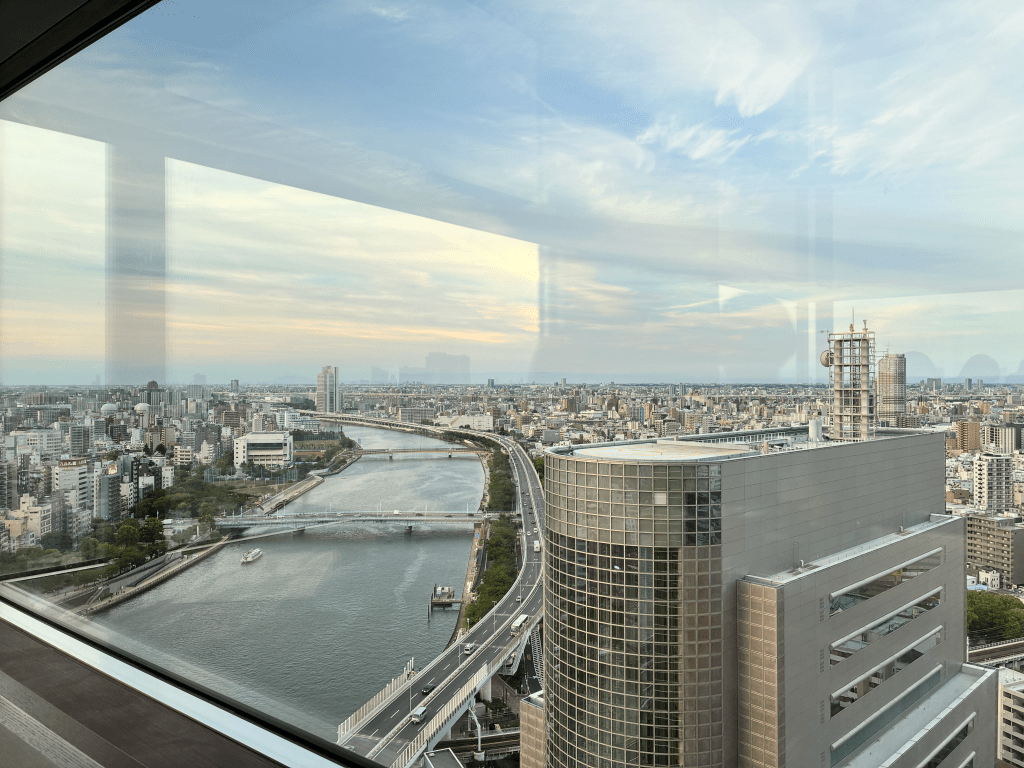
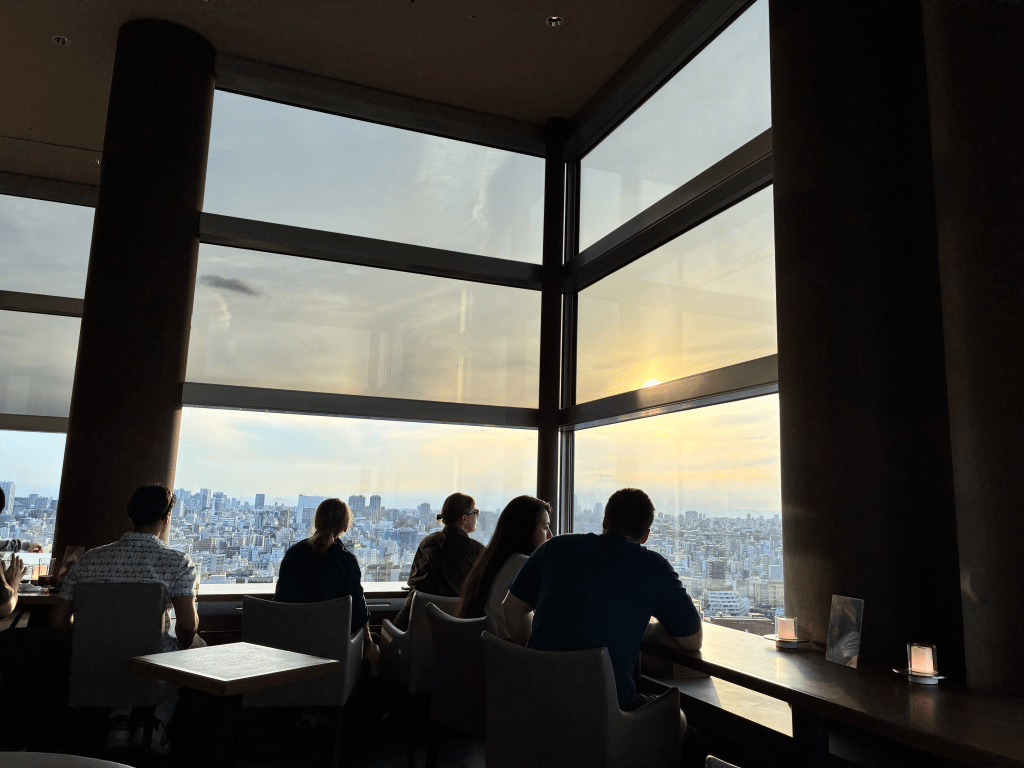
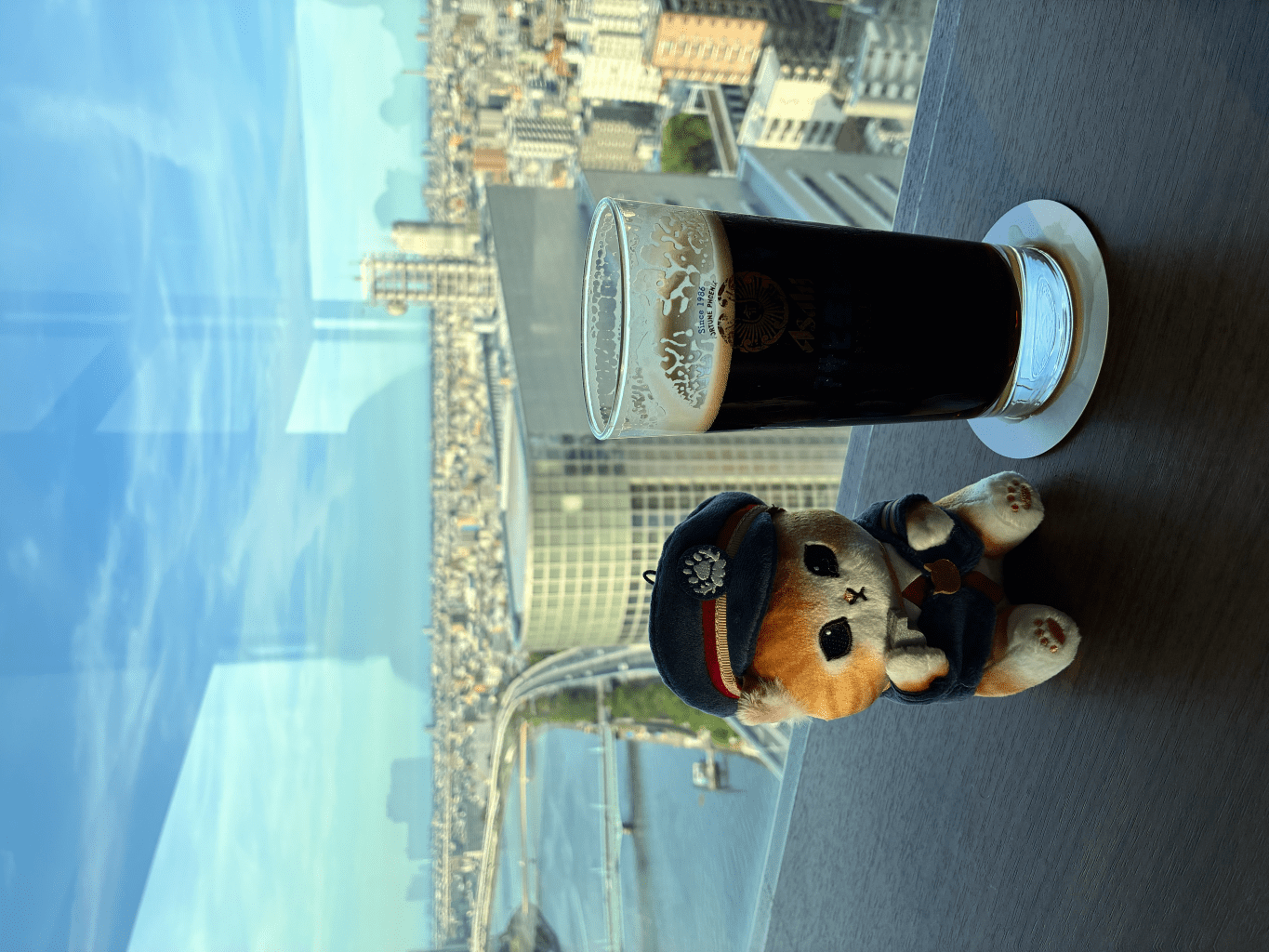
We ended up staying a full hour inside the bookstore, losing ourselves in the stacks, after which we retreated for a few drinks at the nearby Asahi Sky Room. Situated on the 22nd floor of the Asahi office building right along the Sumida River, the bar offered breathtaking views of Tokyo’s massive urban sprawl. With the Skytree looming spectacularly nearby, we sat back to enjoy the sunset with a perfectly poured pint of The Bitterist beer, their latest offering.
And just like that, our trip was over. I will forever be enamored with Tokyo – the sheer, unrelenting liveliness of it, its massive urban sprawl that seems to extend in all directions, functioning as the absolute apotheosis of all cities. But standing there, looking out over the concrete horizon, I still found it hard to imagine actually living there. I may be a city boy at heart, but I do appreciate my peace and quiet.
Coming out of the Sky Room and heading back to Shinjuku Station, my wife and I were both restless to be home. We were ready to return to the tree-lined quiet of our neighborhood in Nara, back to the undisturbed air. See you next time, Tokyo. Mata ane.


Leave a Reply